Transcription Audio
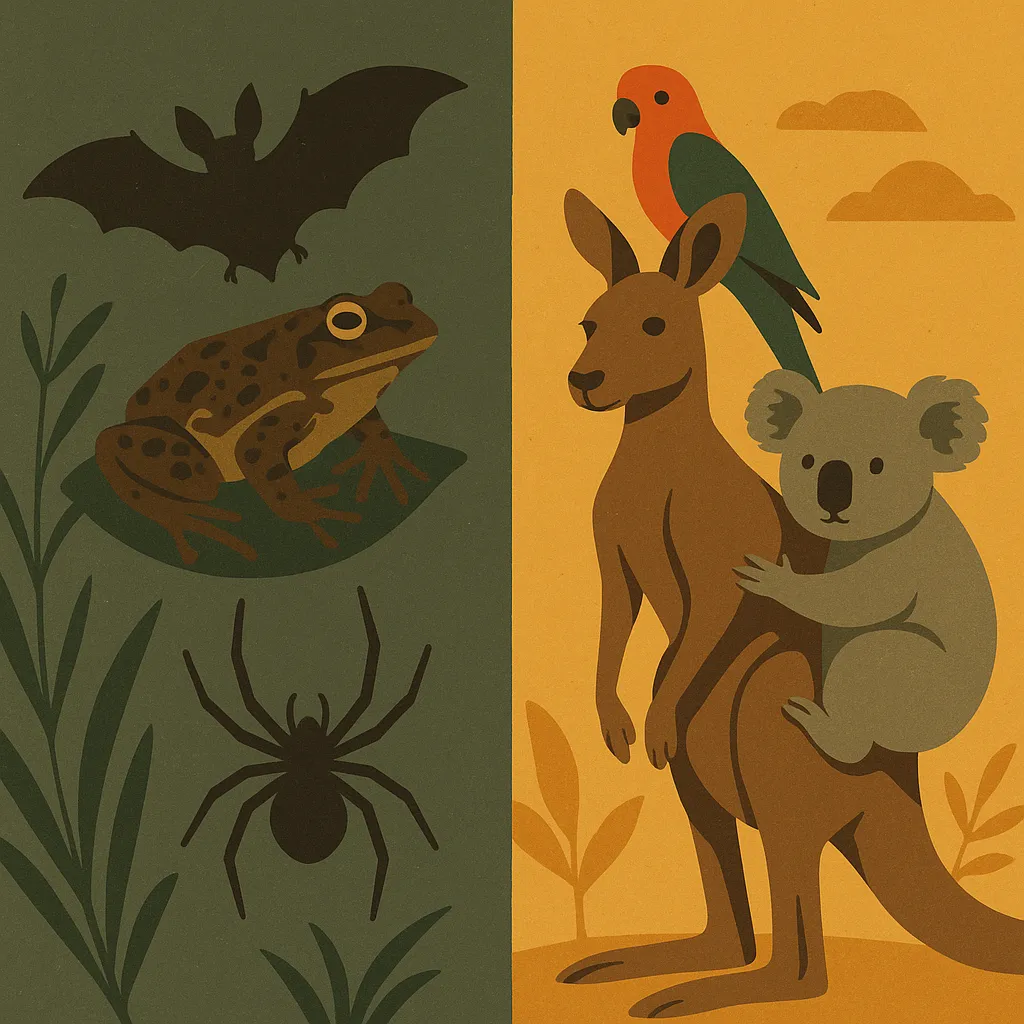
Expert 2025: Conserving Cryptic Species vs Charismatic Fauna
23 août 2025
Listen to audio:
Transcript Text
Hello and welcome. Today we’re talking about conserving Australia’s lesser-known, cryptic species—and why your tools, timing, and tactics should look very different from the playbook for koalas and quokkas. Quick note: some tools in the guide come from partners. If you buy through those links, I may earn a small commission at no extra cost to you. It helps fund independent testing and updates. Why this matters now: - Grants are competitive and often tied to end-of-financial-year cycles. Timing can make or break a project. - Many cryptic species have short detection windows—miss first rains or a breeding chorus and you lose a year. - Gear prices rise before field season. Plan around EOFY and spring to save thousands. Bottom line: align funding, purchases, and surveys with species biology—not your inbox. Top picks: - eDNA sampling with lab analysis (EnviroDNA, NatureMetrics): game-changer for low-visibility detection. Collect water or soil, ship cold, and the lab screens for species from fish and amphibians to invertebrates and some mammals. Budget roughly AU$80–$200 per sample. Pre-book lab slots before peak season. - Passive acoustic recorders for continuous monitoring (Titley Anabat Swift; Wildlife Acoustics Song Meter SM4 or SM Mini): capture microbats, frog choruses, and some nocturnal birds 24/7. Expect AU$1,600–$3,200 per unit plus batteries, SD cards, and software. - iNaturalistAU to Atlas of Living Australia (ALA): free, scalable, and great for community-led records that inform policy. With a short training, communities can outpace small pro teams on presence data. Why cryptic species need a different playbook: - They depend on microhabitats and precise timing—think microbats you won’t see, trapdoor spiders that emerge at night, tiny dunnarts, blind cave fish, subterranean crayfish, and grasswrens vanishing into spinifex. - Funding skews toward charismatic fauna, leaving small reptiles, invertebrates, nocturnal birds, and microbats under-resourced—even when more threatened. - Many cryptic taxa are species complexes. Molecular tools and acoustics are essential to avoid misidentifications. - Detection tools must match biology. Cameras underperform for small, nocturnal, or subterranean animals. Pitfall arrays with drift fences beat cameras for small mammals and reptiles. Acoustics for bats and frogs. eDNA for aquatic taxa. High-sensitivity, contamination-controlled sampling for cave and groundwater fauna. - Scale is micro: log retention for reptiles, intact leaf litter for invertebrates, patchy fire, groundwater protection, and small feral-free pockets can matter more than big corridors. - Timing is unforgiving: rainfall, temperature cues, short breeding bursts. Plan backwards from likely climate patterns. - ID expertise is critical: current call libraries and skilled analysts. Build quality control—independent review of call subsets, versioned libraries, transparent metadata. A field workflow that works: - Pre-season: lock in permits, ethics, land access, and cultural heritage clearances. Co-design with Traditional Owners—local knowledge pinpoints microhabitats maps miss. - Detection design—pair methods: - Microbats: deploy acoustics along flyways, water points, and edges; add harp trapping nights (with approvals and specialists) to validate call IDs. - Frogs: schedule acoustic deployments to trigger with rain; target breeding wetlands and ephemeral pools. - Aquatic cryptic species: design eDNA with replicates, field blanks, and a cold chain. Use sterile gear; sample upstream to downstream to reduce contamination. - Small mammals and reptiles: set pitfall arrays with drift fences; check frequently for welfare; add microclimate loggers to link activity with conditions. - Data and QA: standardize metadata (time, GPS accuracy, habitat notes, weather, survey effort). Pre-build pipelines to ALA and state portals. Nominate reviewers for calls and photo vouchers. Back up raw files in triplicate. Keep a changelog for call library updates to allow re-analysis. - Budgeting: acoustic units need spare batteries, SD cards, security boxes, sometimes solar. eDNA has per-sample and shipping costs. Fund training for community partners. Watch lead times—EOFY and spring sellouts happen. When grants land, order immediately and ask suppliers for conservation discounts. Ethics and safety: - Prioritize animal welfare: frequent trap checks, weather-trigger rules. - Decontaminate between water bodies for eDNA. - Be transparent with communities about detections, especially culturally sensitive species and sites. Community engagement: - Run a targeted seasonal bioblitz, an ID workshop, and set up an iNaturalistAU project. Teach people to record calls, photos, and habitat notes, and show how records flow to ALA and inform decisions. - Partner with Indigenous ranger teams for cultural guidance, local knowledge, and long-term stewardship. Measuring success: - Define it up front. Don’t just tally species—estimate detection probability and occupancy. Track habitat condition metrics (leaf litter depth, groundwater conductivity) and tie to management actions. Did a prescribed burn maintain heterogeneity? Did log retention change reptile detections? Tell compelling stories about small, hidden species to attract resources without skewing priorities. Buyer’s checklist by target: - Aquatic and elusive (cave fish, freshwater crayfish): prioritize eDNA with a clear sampling design, booked lab slots, and water chemistry notes to interpret results. - Microbats: Titley Anabat Swift or Wildlife Acoustics Song Meter; current call library; expert reviewer; add harp trapping if permitted and skilled. - Frogs: pair acoustics with rain-trigger schedules and a few visual encounter surveys at breeding wetlands. - Subterranean and leaf-litter invertebrates: map microhabitats; protect moisture and leaf layers; consider metabarcoding of bulk samples where permitted. - Arid grasswrens: dawn/dusk transects in peak season; secure playback permissions; use acoustics sparingly to avoid stress. If you’re new to ID or habitat assessment, pair this with the Australian Species Identification and Habitat Essentials primer. For landscape strategy, see the Essential 2025 Guide to Australian Wildlife Conservation. They’ll help stitch these tools into a coherent plan. To wrap up: cryptic species conservation succeeds when we match tools to biology, scale to microhabitat, and calendars to seasonal windows. Time your grants, purchases, and surveys to the rhythms of these species. You’ll collect better data, make smarter decisions, and stretch your budget further. For detailed models, budgets, and use-cases, check the full guide. Thanks for listening—and here’s to giving Australia’s small, secretive species the care and precision they deserve.